
 Login / Signup
Spray Foam vs. Fiberglass Insulation: Which Is Best for Your Project?
Aug 10, 2026
Spray Foam vs. Fiberglass Insulation: Which Is Best for Your Project?
Balancing Upfront Costs and Long-Term Efficiency to Build a Flawless Thermal Envelope
By Michael Alarcon
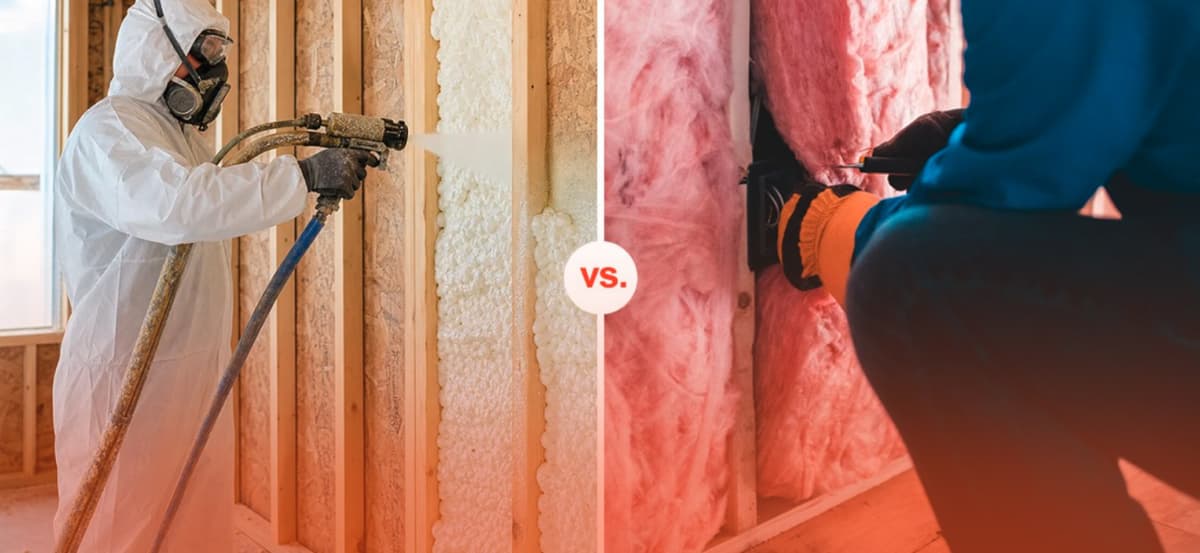
When a building's energy bills skyrocket, the blame usually lands on the heating and air conditioning units, but more often than not, the culprit isn’t the HVAC machinery, it’s a structural envelope that leaks cool air like a sieve. Insulation is the invisible barrier that dictates how hard a mechanical system has to fight to maintain a comfortable climate. When it comes to selecting a material, two industry heavyweights dominate the market: classic fiberglass batts and high-performance spray foam. Neither choice is universally superior. Winning the energy efficiency game requires understanding how these two materials perform under field conditions so you can match the right product to your architectural layout, climate zone, and project budget.
■ Fiberglass Insulation: The Reliable Budget Defender
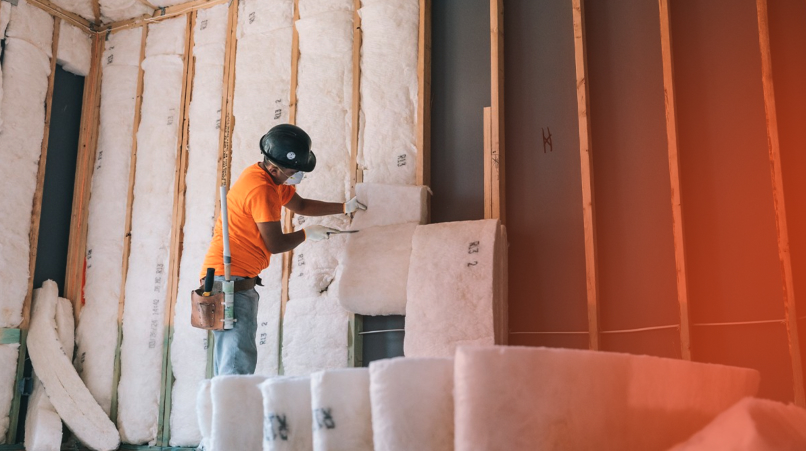
Fiberglass insulation has been the backbone of residential construction for decades. Composed of fine glass fibers spun into flexible blankets (batts) or loose-fill blowing material, it slows down heat transfer by trapping pockets of air within its fluffy structure.
■ The Situation: Ceiling Grids and Overhead Floor Assemblies
The Key Advantages
- Unmatched Affordability: From an upfront material standpoint, fiberglass delivers an exceptional cost-to-R-value ratio. It is highly predictable to budget and cheap to scale across a massive footprint.
- Straightforward Installation: Pre-cut batts fit standard 16-inch or 24-inch on-center stud bays. It requires no specialized chemical mixing equipment, making it highly accessible for rapid staging.
- Inherent Fire Safety: Because it is made from glass, fiberglass is naturally non-combustible and does not require added chemical flame retardants to pass basic residential safety codes.
The Trade-Offs
The main limitation of fiberglass is that it is highly porous. It blocks conductive heat transfer, but it cannot stop moving air currents (convection). Fiberglass is only as effective as the quality of its installation; if a batt is tucked too tightly around a junction box or split sloppily around a plumbing line, it leaves a void. Outdoor air filters right through those micro-gaps, dragging your conditioned air out with it.
■ Spray Foam Insulation: The Precision Air Barrier
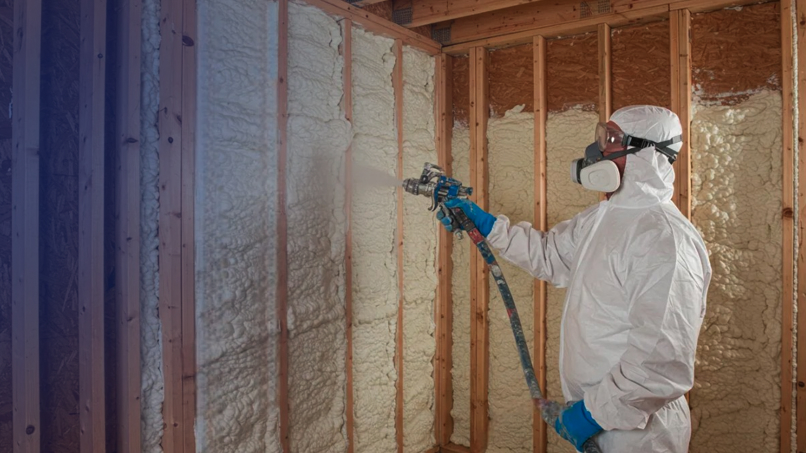
Two-part spray foam represents the premium evolution of building science. Applied as a liquid polyurethane mixture through a specialized heated hose, the material expands rapidly upon contact, growing up to 100 times its liquid volume to form a continuous, seamless thermal blanket.
The Key Advantages
-
Total Air Sealing: Unlike fiberglass, spray foam expands to fill every hairline crack, rim joist, and irregular framing void. It insulates and seals air leaks simultaneously, completely eliminating structural drafts.
-
High-Thermal Density: Spray foam packs a high R-value per inch of thickness. This is invaluable in tight spaces, like 2x4 wall assemblies or sloped roof rafters where you need maximum thermal protection within a shallow structural cavity.
-
Moisture and Structural Protection: Closed-cell spray foam cures into a dense, rigid plastic that increases the racking strength of the walls. It also acts as an engineered vapor barrier that rejects liquid water and prevents pests from nesting.
The Trade-Offs
The primary barrier to spray foam is its premium upfront cost. It requires specialized multi-component spray rigs and highly trained installers to ensure the chemical components cure properly. Additionally, there is a mandatory 24-hour curing window post-application during which the structure must be completely vacated, which can temporarily disrupt other trades on the schedule.
■ The Verdict: When to Deploy Each Material
To get the most out of your investment, map the material selection directly to the specific architecture and long-term goals of your project.
-
When to Choose Fiberglass: Go with fiberglass if you’re working within a strict, predefined remodeling budget or insulating standard, wide-open wall cavities. It’s the perfect fit for unconditioned garage spaces, simple basement build-outs, or straightforward floor systems where the outer building envelope has already been thoroughly sealed against drafts with high-quality exterior house wrap.
-
When to Choose Spray Foam: Invest in spray foam if you’re building a custom home with complex, vaulted rooflines, or converting a dark attic into a fully conditioned living space. It is also the premier solution for drafty rim joists, exposed crawlspaces, and humid coastal regions where managing air infiltration and vapor movement is critical to preventing mold.
■ The Bottom Line: Designing for the Real World
At the end of the day, building a comfortable home means selecting materials that fit both your project's unique economic parameters and its physical layout. You don’t have to treat insulation as an all-or-nothing choice. Many of the most efficient modern builds utilize a hybrid approach, deploying cost-effective fiberglass in the wide-open vertical walls, while saving premium spray foam for the high-stress rooflines and rim joists where air sealing matters most. In short, there is no right or wrong choice, and a smart way to map out your next insulation is to connect with the FBM Digital Team and determine the best way to insulate your next job.